
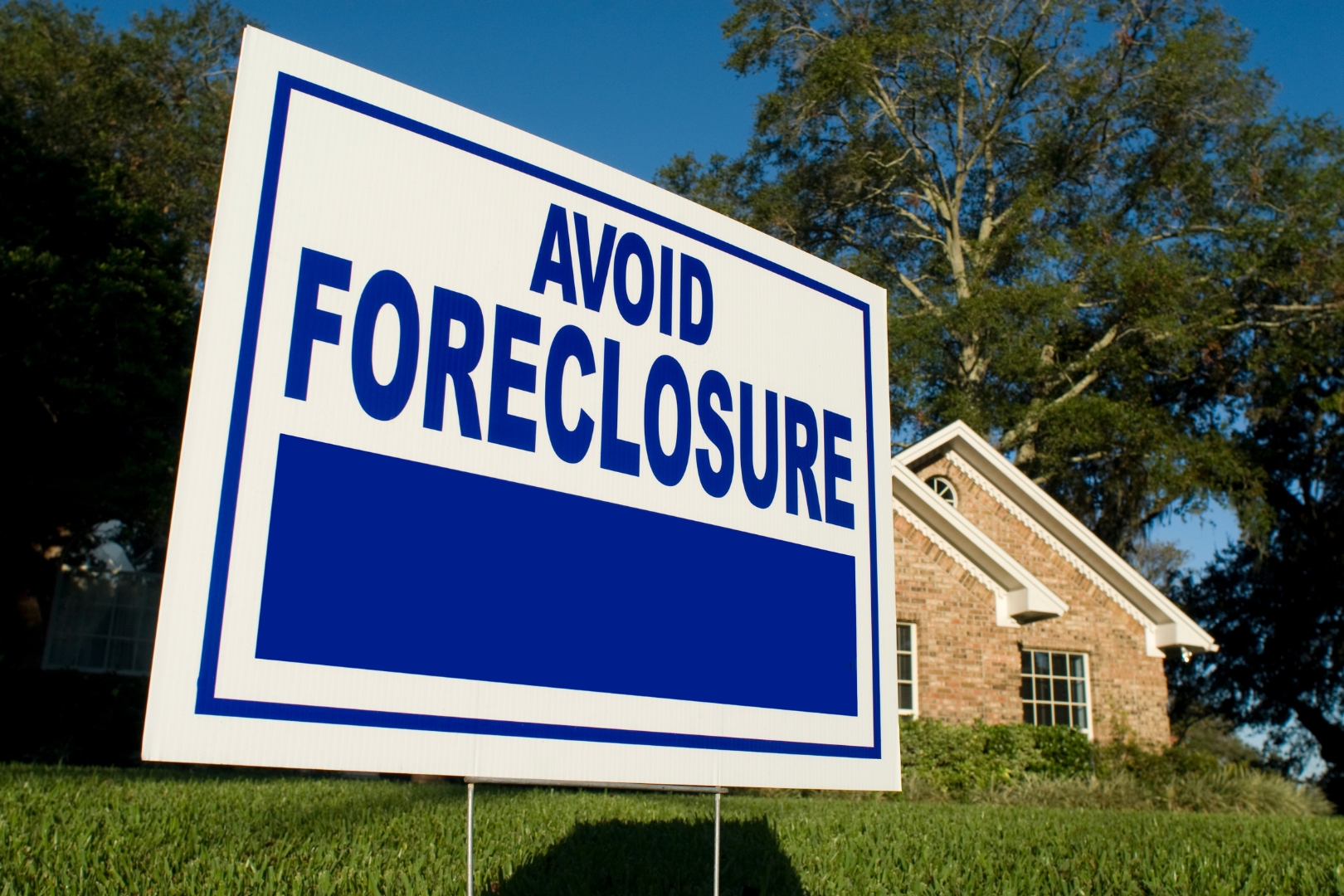
Facing the possibility of foreclosure can be an incredibly stressful and challenging experience for any homeowner. However, the good news is that lenders are often willing to work with borrowers to find mutually beneficial solutions. By engaging in open and honest negotiations with your lender, you may be able to avoid foreclosure and find a resolution that keeps you in your home. In this blog post, we’ll share some essential tips on how to negotiate with lenders effectively during these difficult times.
- Act Promptly and Communicate Early: The key to successful negotiation is to act promptly and communicate with your lender as soon as you encounter financial difficulties. Ignoring the issue won’t make it go away; it will only exacerbate the situation. Reach out to your lender the moment you realize you may miss a mortgage payment or foresee future financial struggles. Early communication demonstrates your sincerity in finding a solution and may increase the lender’s willingness to work with you.
- Gather Your Financial Information: Before entering negotiations, gather all your financial information, including income, expenses, debts, and assets. Having a clear and organized picture of your financial situation will help you present a strong case and demonstrate your willingness to cooperate. Be prepared to provide documentation, such as bank statements, pay stubs, tax returns, and a hardship letter explaining your current circumstances.
- Explore Loan Modification Options: Loan modification is a common solution for borrowers facing financial hardship. It involves adjusting the terms of your mortgage to make it more affordable. You may request a lower interest rate, extended loan term, or even a temporary reduction in monthly payments. Demonstrating that you can realistically meet the modified terms can significantly increase your chances of reaching an agreement with your lender.
- Propose a Repayment Plan: If your financial setback is temporary and you can catch up on missed payments, propose a repayment plan to your lender. This plan should outline how you will pay off the overdue amount over a set period while continuing to make regular mortgage payments. Being proactive in suggesting a reasonable repayment schedule shows your commitment to meeting your obligations.
- Consider a Forbearance Agreement: In situations where your financial hardship is expected to be short-term, you may negotiate a forbearance agreement. This arrangement allows you to temporarily suspend or reduce mortgage payments until you regain your financial footing. However, ensure you fully understand the terms of the forbearance, as you will need to make up the deferred payments later.
- Seek Third-Party Mediation if Necessary: If direct negotiations with your lender are challenging or unfruitful, consider seeking assistance from a housing counselor or a foreclosure prevention agency. These third-party mediators can help facilitate communication between you and your lender and provide valuable guidance throughout the negotiation process.
Conclusion: Negotiating with lenders to avoid foreclosure requires open communication, preparation, and a willingness to explore various options. Remember that lenders prefer to avoid foreclosure when possible, as it is a costly and time-consuming process for them as well. By demonstrating your commitment to finding a resolution and taking proactive steps to address your financial situation, you can increase the chances of reaching a successful agreement and securing your home.




Leave A Comment